

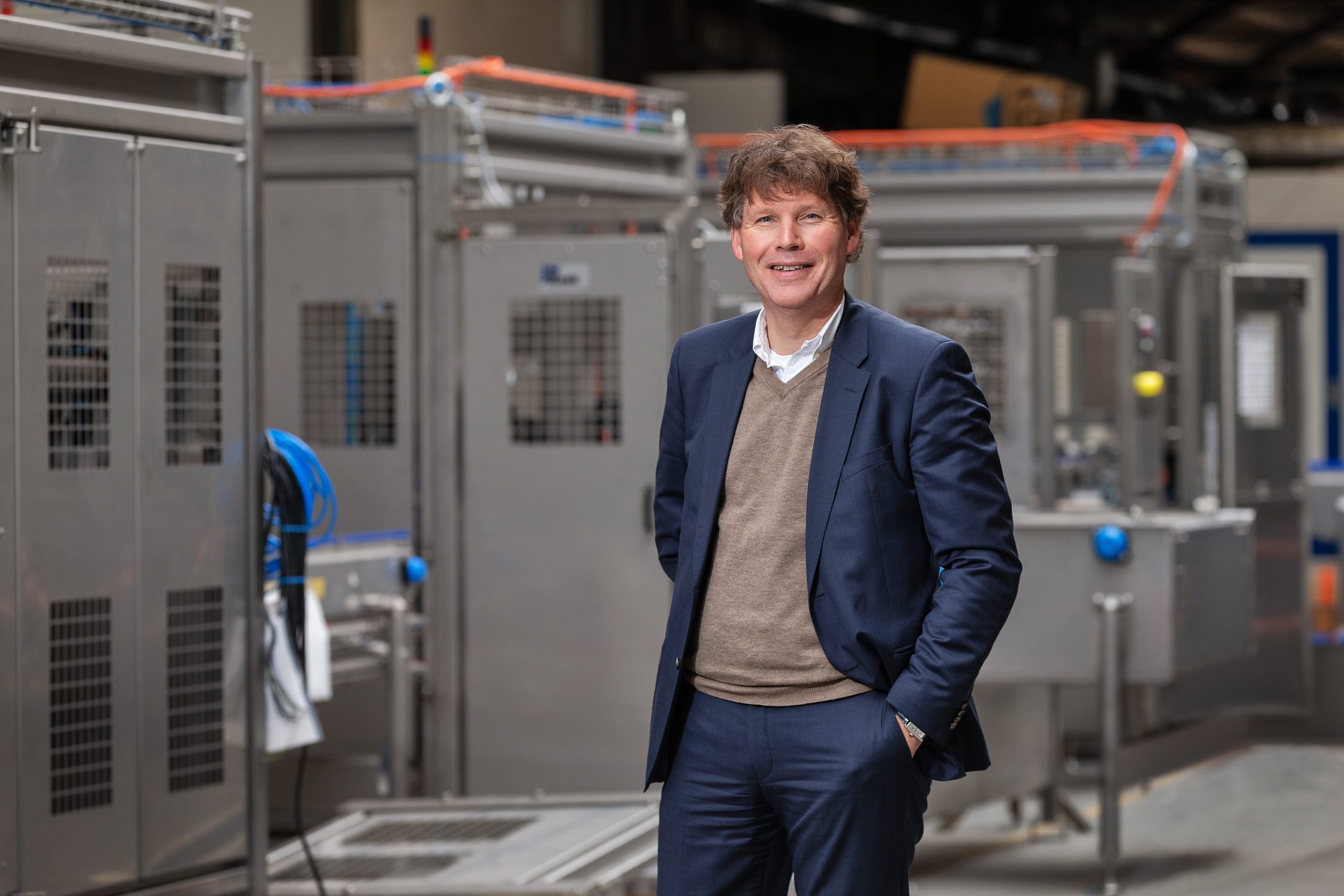
“French bread machines are replacing disappearing bakers in shrinking French villages,” reported NOS. These are small signals that mask major international changes and trends in the bread market. Together with CCO Aart-Jan Hartman of Royal Kaak, we look at these trends and what effect they have on our buying behaviour.
Using robot storage systems: the right automation for every situation
In an interview with Bakkerswereld.nl, Aart-Jan previously addressed Royal Kaak’s strategy to “fully capitalise on a longer first proofing“. This is a strategic choice that allows Royal Kaak to anticipate a phenomenon that is increasingly driving the entire bread market: trends. Aart-Jan: “Trends are increasingly dependent on movements in the market. In this respect, the bread market has become particularly non-transparent. Continuing to relieve the burden on the baker as much as possible is a top priority for us – for this very reason.” Having – and claiming – a powerful service concept has become more important – partly due to current market developments: “From silo to crate, we want to relieve the burden on the baker and, for us, that starts with the ‘SMART bakery’ approach.
How do we envisage the future of baking?
Read our blog here, about baking in the future!
Every country has its base
Changing demographics, changing lifestyles, food to go versus wanting everything to be fresher, becoming aware of spelt and organic breads. “These are indeed global trends, but they are not necessarily the same for every country,” Aart-Jan continues. “About six years ago, we opened several sales offices around the world. This allows you to start noticing trends and bread cultures and why they differ so much from country to country. Every country, for example, has its own ‘basic bread’ that it sticks to, regardless of trends or developments. The Netherlands, for example – like Kenya, by the way – has a base of tin bread and small bread.”
“During the COVID-19 era and now also during the war in Ukraine, you see that we start to eat even more packaged and cheaper bread.”
“At the beginning of this century everyone wanted more types of bread – driven by globalisation.” The trend that ‘everything had to be available to everyone everywhere’ created even bigger factories. “But,” ponders Aart-Jan, “we always want quality. To this day, it is a trend that continues to evolve; being able to offer quality anytime, anywhere.” The time factor is a constant challenge in this regard, which also weighs on process and time: “The average proofing time has gone from 60 minutes to a whopping 12 hours in 10 years. The entire processing time from first proofing to final proofing has therefore become many times longer.”
COVID-19, Ukraine and bread
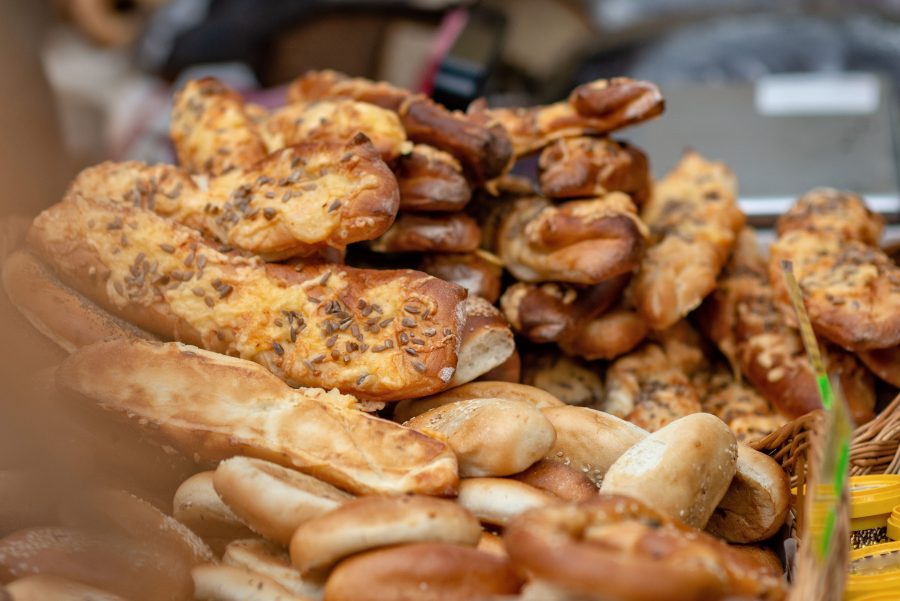
‘Triangle sandwiches’ experienced a time of solid growth; like many other easy foods, they originated from snacking: “We don’t have time and that has always been the driving force behind snack culture. Doughnuts and wraps are trends from a market that is completely inflationary. In times of uncertainty and anxiety, people revert back to more basic things.” Especially bread: “During the COVID-19 era and now also during the war in Ukraine, you see that we start to eat even more packaged and cheaper bread. About three years ago, we noticed a trend emerging where we as consumers were moving away from fresh and started consuming more MAP (Modified Atmosphere Packaging).” This trend in turn has a major impact on the production process: “We have to cool for much longer and different production steps are required – for example, the packaging method.”
“Our added value was and remains high, but we need to be able to be increasingly quicker and more agile. Things are moving very fast and trends are getting shorter.”
Rising gas prices, changing supply
A crisis therefore makes us eat more bread and – as with MAP – creates new developments. For instance, we now also see rusk (toast) on the rise again. Conversely – when there is no crisis – we want more quality. Aart-Jan: “We now see rising gas prices, and we don’t really seem to have an answer to that yet. These are all effects that determine whether we will eat more, less or different kinds of bread.” But it must be possible to produce that bread, as Aart-Jan ponders: “We are going to grow more grain, so that probably means that there will be a different supply. Are we going to process more corn in our bread, for example? These are all questions in the market right now.”
Value & Creative Engineering
Rising gas prices and inflation in Europe are driving up interest rates. This interest rate affects the scope for making investments. Aart-Jan therefore wants to deploy his forces with Royal Kaak – also fuelled by developments – on other continents, such as North America, Latin America: “We have to do other things. “Our added value was and remains high, but we need to be able to be increasingly quicker and more agile. Things are moving very fast now and trends are becoming shorter. I therefore believe we are increasingly moving towards value engineering and creative engineering where we need to invent new machines – wherever in the world – at lightning speed from new applications, such as 3D metal printing. This means that our Research & Development department will grow, and we are already see it happening.”
